How to Choose the Right Dental Clinic Near You
Choosing a dental clinic is more than picking the closest address, especially when you want gentle family care, Invisalign, or dependable urgent treatment. If you are searching for a near dental clinic in Sunway, Sunway Geo or Subang Jaya, this guide gives a short, practical checklist and a phone script so you can compare credentials, technology, pricing, and child friendliness. You will learn how to verify registrations, spot useful equipment, evaluate patient experience, and make a confident first-visit decision without being upsold.
1. Start by clarifying your needs and priorities
Start with a clear outcome. Decide whether you need routine maintenance, urgent care, paediatric treatment, orthodontics like Invisalign, or a cosmetic procedure. That single decision changes which clinics are actually appropriate and prevents wasting time on places that only offer walk-in cleanings or emergency triage.
Be specific about constraints. Proximity matters for families and busy workers, but so do appointment hours, language support, and whether the clinic accepts your insurance or corporate panel. Put those constraints into plain terms: commute time, acceptable wait time, and whether weekend or lunchtime appointments are required.
Make a top-three priorities list
- Service required: Routine checkup, paediatric dentistry, Invisalign consultation, root canal, or cosmetic crowns.
- Accessibility: Distance from Sunway Geo or workplace, parking, lift access, or MRT/Bus proximity.
- Timing and availability: Early morning, after work hours, weekend slots, or confirmed emergency coverage.
Practical tradeoff to accept. If your top priority is speed and convenience, you will likely choose a general family clinic close to home. If your priority is specialised outcomes for Invisalign or complex cosmetic work, expect to travel farther and pay more for an experienced provider. Both choices are valid; the mistake is pretending you can have both without compromise.
Concrete example: A family with two preschoolers will prioritise child friendly staff, short appointments, and flexible cancellation policies; that usually points to a local family dental clinic near me with paediatric experience. A working adult seeking Invisalign should prioritise clinician experience and case volume and may choose a clinic a little further from Sunway for better outcomes—see how providers list Invisalign cases on their services page at Kaizen Dental Clinic.
A useful detail most people overlook. Write down the one thing that would make you cancel a clinic: no itemised quote, no available follow up, or no credentials provided. That single cancellation trigger is an accurate litmus test during your first phone call or visit.
2. Use local search signals to find a near dental clinic
Practical point: your first shortlist will come from small, verifiable signals in local listings, not glossy websites. When someone searches near dental clinic, they are choosing among clinics that make basic operational info easy to find. That visibility usually correlates with reliable hours, active booking, and clearer pricing — all the things that reduce friction for busy families.
What to read on a Google Business Profile and why it matters
Look for recent activity. A clinic that updates hours, posts photos, or replies to reviews in the past 6 to 12 months is actively managing patient communications. Active profiles are not a guarantee of clinical quality, but they do cut down on appointment surprises — closed clinics, outdated hours, or unanswered emergency calls.
- Answered reviews: reviewers with replies from the clinic show someone is monitoring patient feedback.
- Photos with timestamps: current images of the reception, treatment rooms, and equipment indicate transparency about the facility.
- Services listed: presence of terms like Invisalign, paediatric dentistry, or emergency dentist near me makes it easy to filter for what you need.
- Attributes and Q A: wheelchair access, languages spoken, and appointment booking links are practical filters for families and commuters.
Tradeoff to accept: local search favours clinics that are good at running their online profile. That can bias the shortlist toward clinics with marketing resources rather than necessarily the most experienced specialists. If you need specialised care like implant surgery or complex orthodontics, use local search to find candidates, then verify clinician credentials separately via the Malaysian Dental Association or direct inquiry.
How to cross-check listings fast. After you pull a short list from Google, open each clinic website and Facebook page. Look for a matching phone number and recent patient-facing content. If a listing claims 24-hour availability or emergency care, confirm by calling the clinic outside normal hours or asking for their emergency process during a daytime call.
Concrete example: a parent in Sunway types near dental clinic Sunway Geo emergency dentist near me and narrows results to three clinics with replied reviews and recent photos. They call each clinic to confirm paediatric opening hours and emergency procedures; one clinic immediately sends a booking link and an itemised estimate, another has no voicemail and inconsistent hours, so the parent removes it from consideration. This quick verification saved a stressful same‑day change when the child needed urgent care.
Judgment call most people miss: star ratings are noisy; the strategic signals are responsiveness and transparency. A nearby dental clinic with many 4 star reviews and consistent responses often outperforms a distant clinic with a handful of 5 star posts but no recent engagement. Use ratings as context, not the deciding factor.

3. Verify credentials and professional registration
Start with the legal baseline: every clinician you consider should be able to give you a full name and a registration number without hesitation. Registration proves the dentist is authorised to practise in Malaysia, but it is not a substitute for treatment‑specific experience or visible clinical standards.
What registration does and does not tell you: a verified listing on a regulatory or professional site confirms the dentist is not struck off and shows basic qualifications. It does not measure skill, case volume, or bedside manner. For procedures that matter — Invisalign, implants, sedation — registration is necessary but not sufficient.
How to check registrations and specialist claims (quick steps)
- Get the details: ask for the dentist full name, registration number, and formal qualifications (for example MSc, MDS, or postgraduate diplomas).
- Verify online: check the clinic name and dentist against Malaysian Dental Association listings and the Ministry of Health pages for any public registries or advisories.
- Confirm specialist training: if someone calls themselves an orthodontist, periodontist, endodontist, or prosthodontist, ask where they completed their specialist training and for proof of the qualification.
- Check provider status for branded systems: for Invisalign or other proprietary treatments, verify provider status on Invisalign or request proof of accredited training.
- Ask about privileges and referrals: for oral surgery or sedation, confirm whether the dentist has hospital privileges or a formal referral pathway — that matters when complications occur.
Practical tradeoff to weigh: high-volume specialists often work across several clinics or travel for cases. A smaller local clinic can still deliver excellent results if the clinician documents case history, continuing education, and clear referral links. Don’t dismiss a clinic for its size alone — judge by documented experience rather than showroom polish.
Concrete example: a working adult in Sunway looking for Invisalign asked a clinic for the treating dentist name and registration number during the first phone call, then cross‑checked the clinician on Invisalign and requested two recent local before/after cases. The clinic provided the registration number, a provider profile, and a compact case gallery on their Invisalign page at Kaizen Dental Clinic, which made the decision straightforward.
Red flag: any clinic that hesitates, refuses, or gives vague answers about dentist names, registration numbers, or specialist training. Move on.
A deeper check that most people skip: ask whether the clinician engages in continual professional development and where they update their skills. Short weekend courses are common; look for postgraduate diplomas, university attachments, or memberships in recognised specialty societies as stronger signals of competence.
Takeaway: start the first call with a single line: give me the treating dentist full name and registration number. If the clinic can answer and point you to verifiable proof, you can proceed to assess experience and costs. If they can’t, there is no point investing time in the rest of the checklist.
4. Assess services, equipment, and clinical approach
Straight to the point: when you search for a near dental clinic, what matters most is not the longest services list but whether the clinic can safely and reliably deliver the specific treatment you need. Look for clear service lines (paediatric dentistry, Invisalign, emergency care, implant work) and simple proof that those services are routinely performed.
Services to prioritise and why they matter
Prioritise relevant services. If you need family care, paediatric expertise and behaviour guidance protocols are as important as parking or opening hours. For Invisalign or cosmetic work, check that the clinic lists orthodontic care and shows accredited provider status or case examples. If urgent care is a concern, confirm the clinic has a defined out‑of‑hours or walk‑in process rather than an empty 24‑hour claim.
| Service / Equipment | What to check for | Patient benefit |
|---|---|---|
| Digital intraoral scanner | Clinic shows scanner use or photos of scans; ask if they use digital impressions for Invisalign |
Faster records, fewer retakes, better-fitting aligners and crowns |
| Digital X‑ray (low dose) | Recent equipment and explanation of radiation reduction | Safer imaging and quicker diagnosis |
| Cone beam CT (CBCT) | Used only for implant/complex surgery; ask when they would order it | Accurate implant planning and fewer surprises during surgery |
| Sedation / behaviour management | Clear options and consent process; not just a checkbox | Safer, gentler care for anxious adults and children |
| Same‑day milling or lab partnerships | In‑clinic milling or stated lab turnaround times | Fewer visits for crowns/veneers when clinically appropriate |
Tradeoff to keep in mind: advanced tech speeds workflows and improves comfort, but technology does not replace clinical judgement. A small local clinic with fewer gadgets can still outperform a high‑tech showroom if the treating dentist documents case experience, explains alternatives clearly, and has a reliable referral path for complications.
Concrete example: a working adult searching for an Invisalign solution near Sunway Geo should prioritise a clinic that both displays provider accreditation and uses digital scanning. For instance, clinics that outline Invisalign workflows and show case galleries — such as the Invisalign page on Kaizen Dental Clinic — make it easier to verify experience before booking a consultation.
Clinical approach matters as much as services. Favor clinics that describe conservative care, shared decision making, written consent, and a clear follow‑up plan. Warning signs are aggressive upselling of cosmetic options without discussing basic health, or vague answers on complication management and referrals.
Look for concrete, patient-facing signals: documented case examples, clear descriptions of when advanced imaging is used, consent processes for sedation, and an explicit emergency protocol — not just a long services list.
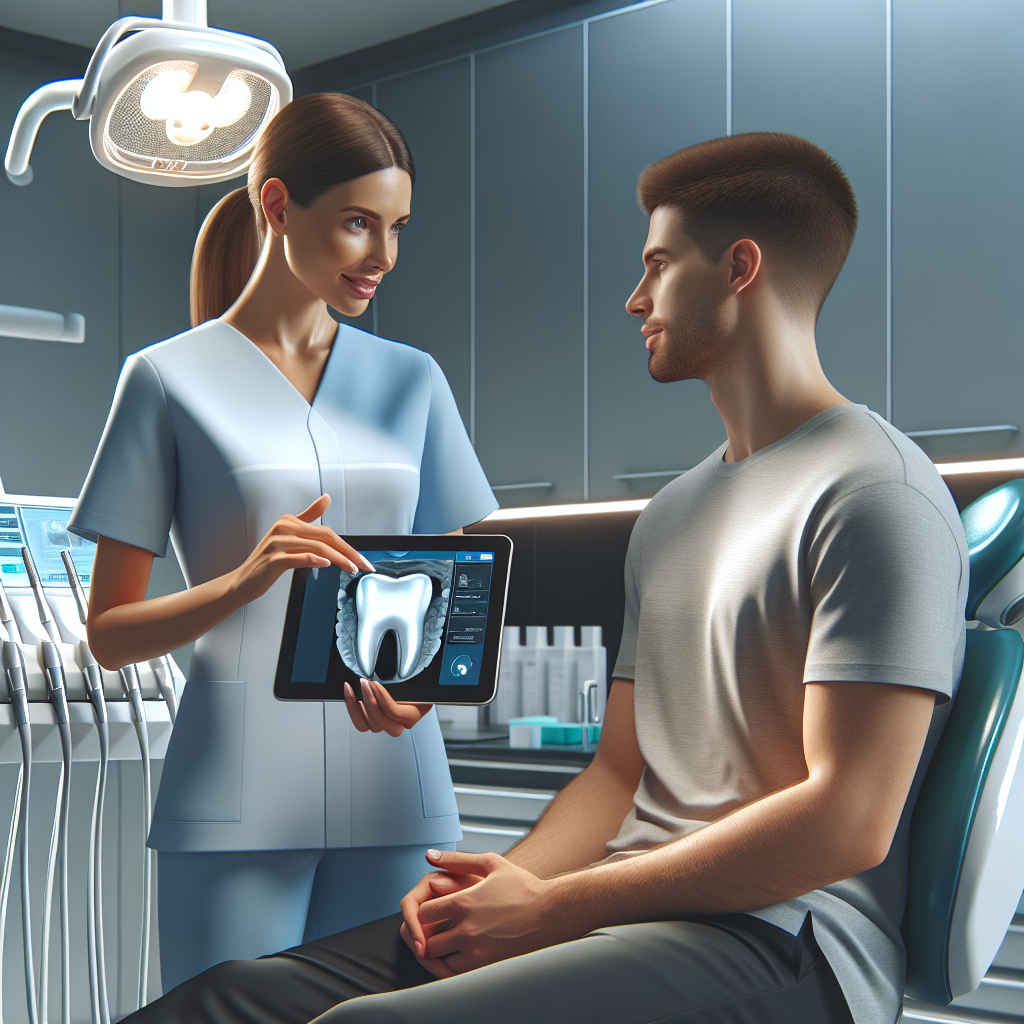
Next consideration: use the service and equipment signals from this section to shrink your shortlist to two clinics, then test them with direct questions about timelines, itemised costs, and follow‑up care during a phone call or short visit.
5. Evaluate patient experience and clinic culture
Start here: patient experience and clinic culture predict whether you will actually complete care, not just how comfortable you feel during a single appointment. When searching for a near dental clinic, watch for operational habits that affect outcomes: appointment reliability, how staff handle questions about pain control, clarity around follow up, and whether the clinic treats families and anxious patients with predictable routines.
Signals to check quickly — phone call and in‑person
- Phone response: does the receptionist answer basic clinical questions or deflect to vague statements? A useful clinic answers whether dentists are available for
urgent dental care near meand explains emergency pathways. - Booking flow: an easy online booking or clear SMS confirmation reduces no‑shows. If you need a dentist office close by for busy hours, test booking on a weekday lunch slot.
- Reception behaviour: friendly, patient staff who confirm insurance details and explain expected wait times points to organised local dental care.
- How clinicians explain options: look for simple visuals, intraoral photos, or models. Clinics that show rather than lecture tend to have better adherence to treatment plans.
- Aftercare and follow up: ask if they schedule recall reminders, post‑op check calls, or provide a direct contact for urgent questions like tooth extraction services close by.
Important limitation: a smooth patient experience does not guarantee superior technical outcomes for specialised work. If you want implant dentistry nearby or a braces specialist near me, combine culture signals with documented clinical experience and provider status. In practice, culture keeps people returning and completing multi‑stage treatments; technical skill determines the final result.
How to read reviews differently: instead of focusing on star averages, scan for recurring themes relevant to your needs — mentions of gentle paediatric handling if you need a children’s dentist in my area, or comments about clear Invisalign timelines if you search cosmetic dentistry nearby. Cross‑check recent mentions of wait times, billing clarity, and post‑treatment support across Google and Facebook to avoid one‑off rants.
Concrete example: a parent in Sunway called three clinics after searching for dental clinic nearby that offered paediatric checkups. One clinic clearly explained their short appointment slots for children, offered behaviour guidance, and had a follow up call after a fluoride application. That clinic also posted intraoral photos on their services page and a friendly booking link on their profile at Kaizen Dental Clinic services, which made the choice straightforward.
Red flag and practical remedy: pressured upselling or vague consent is a cultural red flag. If a clinic pushes expensive cosmetic add‑ons before addressing decay or pain, walk away. Ask for written consent and an itemised aftercare plan on your first visit; if they resist, that tells you more about culture than any glossy brochure.
Next consideration: use patient experience as a gatekeeper — it filters clinics you will tolerate for routine care, emergency visits, or long courses like Invisalign. After you pass the culture test, verify credentials and costs before committing to treatment.
6. Compare pricing, financing, and insurance handling
Price surprises are the single biggest reason people stop treatment or switch clinics. When you call a near dental clinic, expect three common pricing behaviours: clear itemised estimates, bundled packages with vague extras, or evasive answers. You need a written baseline before you agree to any procedure that involves more than a hygiene visit.
What to ask for first. Request an itemised treatment plan with costs and timelines. Ask for separate line items for consultation, diagnostics (X rays or scans), each procedure (filling, root canal, crown), lab fees, and follow‑ups. If you want Invisalign or cosmetic work, ask whether the quoted fee includes retainers, revisions, or additional scans.
How to compare offers practically
- Get the written quote: insist on an email or PDF that you can compare across clinics.
- Confirm financing: ask whether instalment plans are in‑house, via a third party, or a credit card plan and what the APR or admin fees are.
- Verify insurance processing: does the clinic do direct billing to your insurer or do you pay first and claim later? Which procedure codes do they submit?
Trade‑offs to weigh. An instalment plan can make necessary treatment affordable but often increases the total cost. A clinic that bills your insurer directly reduces out‑of‑pocket stress but may limit your provider choices or slow approvals. Low headline prices can hide recurring lab or follow‑up charges—always compare grand totals, not single line items.
Concrete example: A professional working in Sunway compared three clinics for an Invisalign course. One clinic gave a clear, itemised PDF that included retainers and two review visits; another quoted a lower headline price but excluded scans and retainers; the third required full payment before starting. The professional picked the clinic with the transparent PDF and manageable instalments and confirmed coverage details with HR. See Kaizen Dental Clinic contact to request a written estimate before booking.
Practical judgments most people miss. Clinics that accept corporate panels or direct insurer billing are convenient but check whether they submit conservative codes that lower your reimbursement. Also, watch for high upfront deposits demanded before any diagnostics — legitimate for expensive lab‑made prosthetics, but not for routine treatments. If a clinic resists giving a written breakdown or pressures for an immediate payment, consider that a red flag.
- Ask explicitly about refunds and cancellations for lab work or preordered materials.
- Confirm emergency visit costs (for example, an urgent dental care near me visit after hours) so there are no surprises if something needs quick attention.
- Check whether follow‑up care is included for procedures like root canal or tooth extraction services close by, and who handles complications.
Important: an oral estimate over the phone is not enough. Always get a written, dated quote that lists services, unit prices, and expected follow‑ups before consenting to any non‑urgent treatment.
7. Make the decision: what to do on your first visit and a printable checklist
Treat the first visit like a short audit, not a one way commitment. Use it to confirm credentials, confirm the treatment workflow, and capture a written estimate you can compare. A quick, structured visit removes most of the guesswork and prevents hurried decisions under pressure.
Before you go
Bring these essentials. Identification, insurance or corporate panel details, current medications, and any recent dental records or radiographs. Also carry your top three priorities from your shortlist so the conversation stays focused on what matters to you.
Tradeoff to consider. Bringing old X rays can avoid repeat imaging and cost, but clinics sometimes require new digital images for accurate planning. Expect to weigh a small extra diagnostic fee against better treatment accuracy.
During the appointment – a tight agenda
- Confirm who will treat you. Ask for the treating dentist full name and registration number and note it down for later verification on Malaysian Dental Association or clinic materials.
- Observe how they communicate. Do clinicians use intraoral photos, models, or digital scans to explain findings? Visual explanation is a reliable signal of transparent care.
- Request an itemised, written plan. Get a dated PDF or printed estimate that lists consultation, diagnostics, procedures, lab fees, follow ups, and whether retainers or aftercare are included for treatments like Invisalign.
- Clarify timeline and touchpoints. Ask how many visits are typical, what triggers extra visits, and who you call for urgent issues outside clinic hours.
- Confirm payment and insurance flow. Will they bill your insurer directly or do you claim later, and what instalment options exist if you need them?
Practical limitation. A single visit cannot prove long term technical outcomes for complex work like implants or orthodontics. Treat the visit as a credibility test – it should produce verifiable facts and a clear next step, not a sales pitch.
Quick script to use on the phone or in clinic
- Introduce your need briefly. I need a consultation for [Invisalign] or a paediatric checkup.
- Who will treat me and what are their qualifications? Please give the full name and registration number.
- Do you provide a written estimate after the consultation? Will it include lab and retainer fees?
- What is your emergency process? Who do I call after hours for urgent dental care?
- How do you handle insurance? Do you do direct billing or provide itemised receipts for claims?
Concrete example: A parent from Sunway booked a first visit at a family dental clinic. The dentist showed intraoral photos, explained two sensible options, and handed a printed estimate that included a short follow up plan. The parent compared that estimate to another clinic and chose the clinic that matched their child friendly priorities and transparent pricing at Kaizen Dental Clinic services.
- Printable decision checklist – tick boxes for your one page summary. [ ] Treater full name and registration recorded [ ] Written itemised estimate provided [ ] Treatment timeline and number of visits explained [ ] Demonstrated use of relevant tech – digital scans or intraoral photos [ ] Clear aftercare and emergency contact given [ ] Payment and insurance process clarified [ ] Child friendly protocol or sedation consent explained if relevant [ ] No pressure to accept on the spot
Judgment that matters. If a clinic hesitates to put the plan and costs in writing or tries to rush you into an immediate procedure, walk away. Convenience is valuable, but transparent documentation and a clear escalation path are non negotiable for multi stage care.
Frequently Asked Questions
Practical point: these are the short, testable answers you need when vetting a near dental clinic — the things that save time and avoid surprises.
How can I confirm a dentist is legally registered?
Quick check: ask for the dentist full name and registration number, then verify that against the Malaysian Dental Association or other official registries. If a clinic hesitates to give these details, treat that as a red flag. Registration proves entitlement to practise; it does not measure specialised skill or bedside manner.
What to ask when enquiring about Invisalign or clear aligners
Focus questions: how many full Invisalign cases has the clinician completed, are they an authorised provider listed on Invisalign, do they use digital scanning, and does the fee include retainers and any refinement visits? Also check whether the practice offers remote monitoring or virtual check‑ins to cut down on monthly commutes.
Concrete example: a working parent with limited lunchtime breaks chose a clinic that used digital scans and offered monthly virtual reviews. That reduced in‑clinic visits from eight to three, which made the treatment workable with a busy schedule.
Does modern equipment matter for routine care?
Short answer: yes, but selectively. Digital scanners, intraoral cameras, and low dose X rays usually improve comfort and reduce repeat visits. However, technology does not replace clinical judgment; for implant planning or complex surgery only order CBCT when the clinician explains a clear benefit.
Tradeoff to weigh: higher‑end tech often raises fees slightly, but it tends to lower total chair time and reduce surprises. If price is the main constraint, prioritise documented clinician experience over gadget count.
How do I know if a clinic is genuinely family friendly?
Signals that matter: scheduled short slots for children, staff trained in behaviour guidance, explicit sedation policies with consent forms, and visible child‑appropriate educational materials. Avoid clinics that rely solely on toys or decorations as evidence of paediatric competence.
What should I test about emergency coverage?
Test it: ask for the clinic emergency protocol, expected response time, and a direct contact number for urgent issues. A practical verification is to call outside normal hours or late afternoon and confirm how they triage urgent dental care near me. Many clinics outsource after‑hours calls; that is fine if they have a clear, documented referral or on‑call plan.
Judgment worth using: do not let polished marketing replace verifiable facts. Demand written estimates, provider names, and a clear emergency contact. Those three items predict whether you will complete care and avoid costly reversals later.
Immediate steps you can take now: call one near dental clinic and get the treating dentist full name and registration number; ask if a written, itemised quote will be emailed after consultation; and call their after‑hours number once to verify emergency handling.